
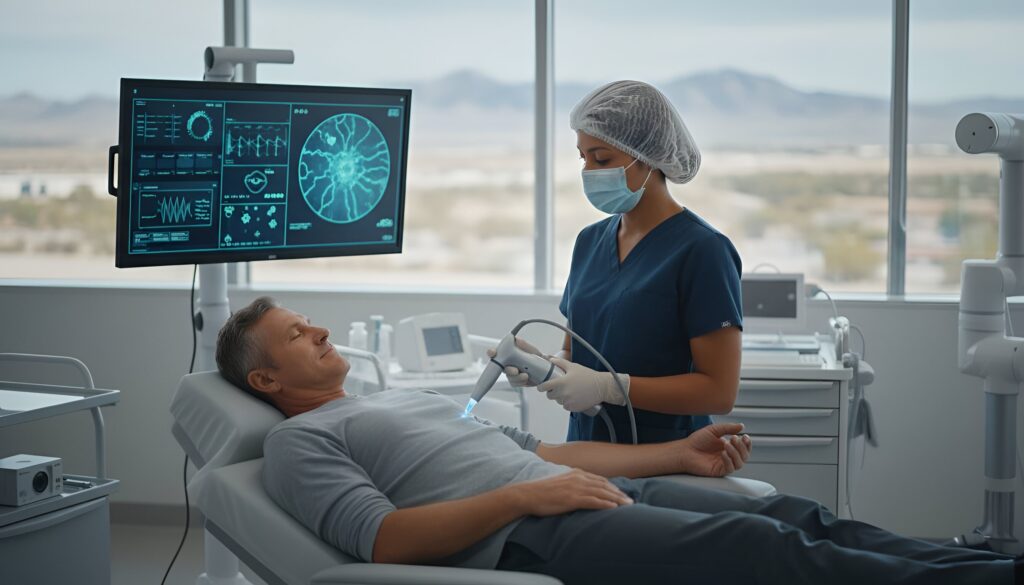
Precision medicine is transforming the future of healthcare, especially for individuals considered high-risk due to chronic illness, genetic predisposition, age, or complex medical histories. Instead of relying on a one-size-fits-all approach, precision medicine tailors prevention strategies, diagnoses, and treatments to each patient’s unique biological makeup, lifestyle, and environment.
For patients and families in Moreno Valley, access to personalized care is becoming increasingly important as conditions like diabetes, heart disease, cancer, autoimmune disorders, and respiratory illnesses continue to affect the community. At a trusted Clinica Medica Familiar, precision medicine offers hope by improving outcomes, minimizing complications, and supporting better long-term quality of life.
This comprehensive guide explains what precision medicine is, how it works, and why it is especially beneficial for high-risk patients seeking advanced yet compassionate care close to home.
What Is Precision Medicine and Why It Matters for High-Risk Patients
Precision medicine, sometimes called personalized medicine, is an innovative healthcare approach that considers individual differences in genetics, medical history, lifestyle, and environmental factors. Rather than treating patients based on averages, doctors use detailed information to choose the most effective and safest care plan for each person.
For high-risk patients, this approach can be life-changing. These individuals often have multiple conditions, complex symptoms, or a higher likelihood of adverse reactions to standard treatments. Precision medicine helps reduce uncertainty by allowing healthcare providers to:
Understand the Root Cause of Disease
Traditional medicine often focuses on managing symptoms. Precision medicine digs deeper by identifying genetic markers, biomarkers, and underlying mechanisms that drive disease progression. This allows providers to target the root cause rather than only controlling symptoms.
Reduce Trial-and-Error Treatments
High-risk patients frequently endure multiple medication changes before finding something that works. Precision medicine uses genetic and clinical data to predict how a patient will respond to specific treatments, reducing unnecessary side effects and delays in effective care.
Improve Prevention and Early Detection
For patients with a family history of serious illness, precision medicine supports early screening and proactive prevention strategies. Detecting disease earlier often leads to better outcomes and fewer complications.
In a family-focused medical clinic in Moreno Valley, precision medicine aligns well with the goal of providing comprehensive, culturally sensitive care that treats the whole person—not just the condition.
How Precision Medicine Improves Outcomes for High-Risk Patients
High-risk patients face unique challenges, including higher hospitalization rates, medication complications, and reduced quality of life. Precision medicine directly addresses these issues by creating more accurate and effective care plans.
Personalized Treatment Plans
Every patient is biologically different. Precision medicine allows providers to customize treatments based on genetic testing, lab results, and personal health data. This means medications and therapies are chosen specifically for how an individual’s body is likely to respond.
For example, two patients with the same diagnosis may require completely different medications or dosages. Personalized care reduces the risk of adverse drug reactions and increases treatment success.
Better Management of Chronic Conditions
Conditions such as diabetes, hypertension, asthma, and autoimmune disorders require long-term management. Precision medicine helps clinicians identify which treatments will best control symptoms while minimizing side effects.
For high-risk patients, improved disease control can mean fewer emergency visits, better daily functioning, and a lower risk of long-term complications.
Improved Cancer Care and Recovery
Precision medicine has made significant advances in oncology. Genetic profiling of tumors helps doctors select targeted therapies that attack cancer cells while sparing healthy tissue.
For high-risk cancer patients, this approach can lead to higher survival rates, fewer side effects, and improved quality of life during and after treatment.
Enhanced Care for Older Adults and Medically Complex Patients
Older adults and patients with multiple health conditions often respond unpredictably to standard treatments. Precision medicine provides insight into how age, genetics, and existing conditions interact, allowing providers to design safer and more effective care plans.
In a Moreno Valley Clinica Medica Familiar setting, this means patients receive attentive, personalized care that respects their medical history and family needs.
The Role of Genetics, Data, and Technology in Precision Medicine
Precision medicine is made possible through advances in medical technology, data analysis, and genetic research. Together, these tools give healthcare providers a clearer picture of each patient’s health risks and treatment options.
Genetic Testing and Biomarkers
Genetic testing identifies variations in DNA that may influence disease risk or treatment response. Biomarkers, such as proteins or other measurable indicators, help monitor disease activity and treatment effectiveness.
For high-risk patients, this information allows clinicians to:
-
Predict disease progression
-
Choose medications with the highest chance of success
-
Avoid treatments likely to cause harm
Advanced Diagnostics and Imaging
Modern diagnostic tools provide detailed insights into organ function, inflammation, and disease activity. Precision imaging and lab tests help doctors detect subtle changes earlier, leading to faster and more accurate interventions.
Data-Driven Decision Making
Electronic health records and clinical data analysis help providers track patient outcomes and adjust care plans in real time. This continuous feedback loop improves safety, efficiency, and overall care quality.
At a community-focused medical clinic, these technologies support a higher standard of care while maintaining a personal, family-centered approach.
Precision Medicine in a Clinica Medica Familiar Setting
Precision medicine is not limited to large hospitals or research centers. Many family medical clinics are integrating personalized care principles into everyday practice, making advanced healthcare more accessible for local communities.
Whole-Family and Preventive Care
A Clinica Medica Familiar is uniquely positioned to use precision medicine for preventive care. By understanding family history and shared risk factors, providers can offer screenings and lifestyle guidance that benefit entire families.
Culturally Sensitive and Patient-Centered Care
Effective precision medicine depends on trust and communication. Family clinics often build long-term relationships with patients, making it easier to discuss genetic risks, treatment options, and lifestyle changes in a respectful and understandable way.
Improved Access for the Moreno Valley Community
For Moreno Valley residents, receiving advanced, personalized care close to home reduces barriers such as travel time, cost, and fragmented care. Precision medicine delivered locally supports better adherence to treatment and follow-up care.
FAQs: Precision Medicine for High-Risk Patients
What is precision medicine in simple terms?
Precision medicine is a healthcare approach that customizes treatment and prevention strategies based on a person’s genes, medical history, lifestyle, and environment instead of using the same treatment for everyone.
Who is considered a high-risk patient?
High-risk patients may include individuals with chronic diseases, multiple medical conditions, a strong family history of illness, genetic predispositions, older adults, or those who have not responded well to standard treatments.
How does precision medicine improve treatment outcomes?
By identifying the most effective treatment for each individual, precision medicine reduces trial-and-error, lowers side effects, improves disease control, and increases the likelihood of successful outcomes.
Is precision medicine only for cancer patients?
No. While it is well known in cancer care, precision medicine is also used for heart disease, diabetes, autoimmune disorders, respiratory conditions, mental health, and many other chronic illnesses.
Can a family medical clinic offer precision medicine?
Yes. Many Clinica Medica Familiar practices integrate precision medicine principles through personalized care plans, preventive screenings, genetic insights, and data-driven treatment decisions.
Start Your Personalized Care Journey in Moreno Valley
Precision medicine is changing the way high-risk patients experience healthcare—offering safer treatments, better outcomes, and renewed confidence in their care. If you or a loved one is managing a complex or chronic condition, personalized medical care can make a meaningful difference.
Schedule a personalized consultation at your trusted Moreno Valley Clinica Medica Familiar today and take the first step toward care designed specifically for you and your family.